
- Dhaka


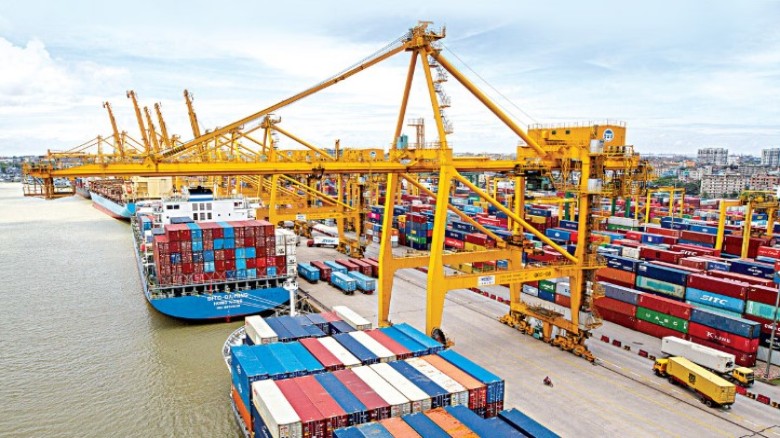

Chattogram: Gateway of the East
For over two millennia, Chattogram’s natural harbour has served as a bustling crossroad of global trade. Nestled between hillocks and the Bay of Bengal, this port city once echoed with the sounds of merchants trading silks and spices, as ships like Chinese junks, Arab dhows, and Portuguese carracks docked along its shores. As a vital link on the maritime Silk Road, Chattogram earned a place on ancient maps—geographer Ptolemy marked it in the 2nd century AD, and travellers like Xuanzang and Marco Polo marvelled at its misty beauty and strategic charm.
Through centuries of conquest and commerce, the port remained a magnet for pioneering industries. In 1843, tea cultivation began in Chattogram’s hills, long before Sylhet took the lead. The country’s first readymade garment (RMG) factory was established in Kalurghat in 1977, laying the groundwork for Bangladesh’s leading export sector. The region also hosted the nation’s first tea auction center in 1949, its earliest steel re-rolling mill in 1952, and the Eastern Refinery Limited in 1968, still the country’s only state-owned oil refinery. Fertilizer production flourished near the Karnaphuli river, with CUFL and other key plants strategically placed near the port.
In 1983, Bangladesh’s first export processing zone was launched in South Halishahar, reinforcing Chattogram’s role as the country’s industrial powerhouse.
Sitakunda: A Modern Industrial Marvel
Located just before Chattogram on the Dhaka-Chattogram highway, Sitakunda upazila has emerged as a key industrial hotspot. Once a quiet sub-district, it now hosts over 200 industrial units and is home to the world's largest ship-breaking yard, dismantling nearly half of the globe’s decommissioned ships. Across greater Chattogram, stretching from Feni to Cox’s Bazar, over 4,000 factories are registered, with about 2,500 currently in operation—making the region a cornerstone of Bangladesh’s industrial landscape.




























Write your opinion